

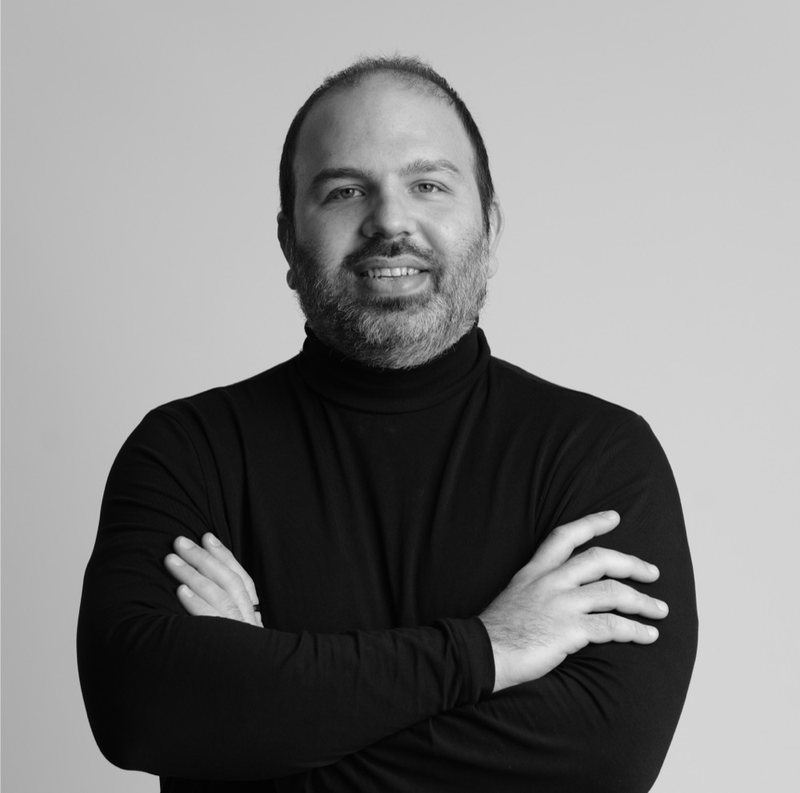


Founder & CEO · VitaMedas, Inc.

TAHSIN
BAYRAKTAR One architect. An AI engineering team.
First place on Earth.

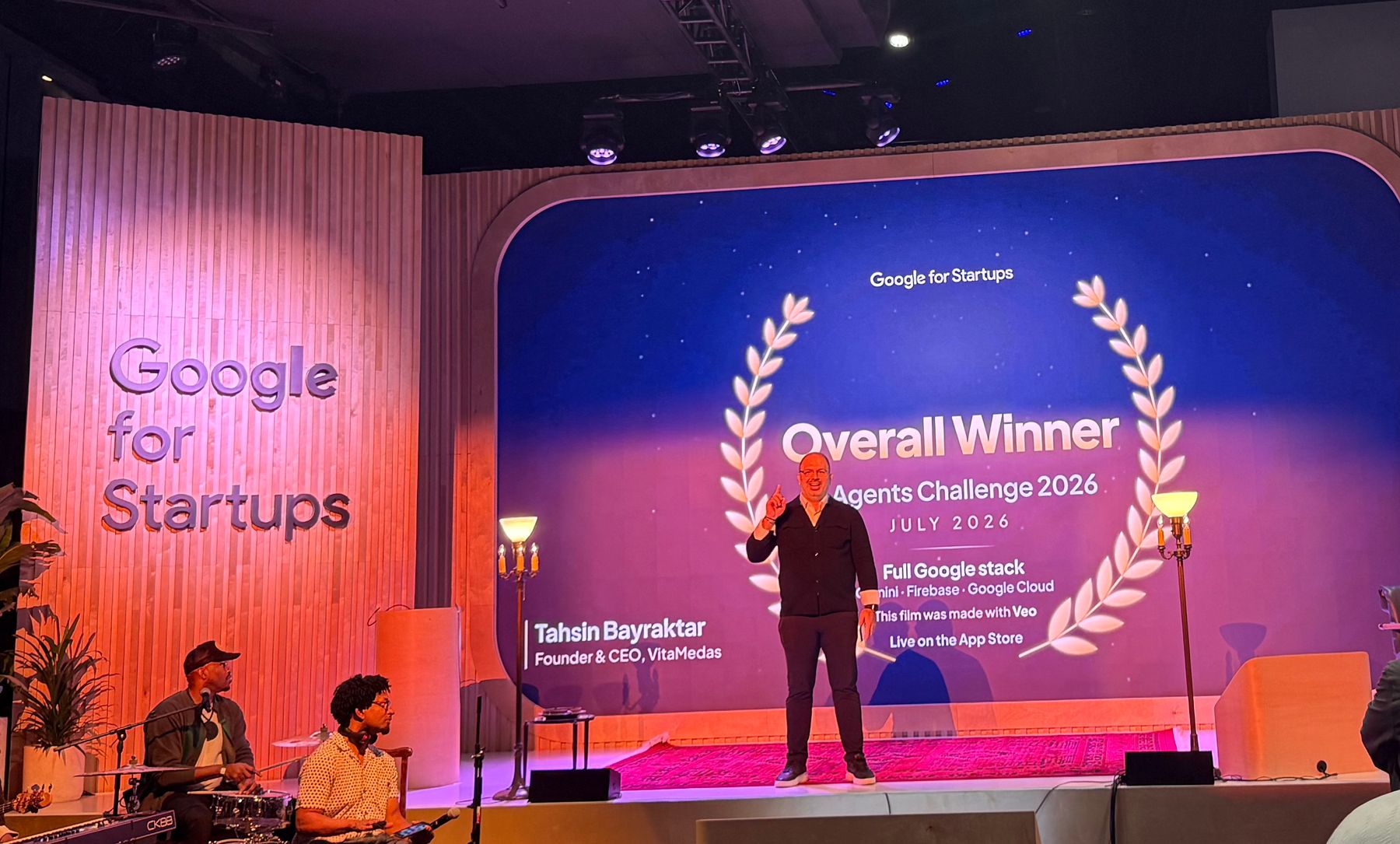
Google for StartupsAI Agents Challenge 2026
Global Grand Prize · First Place Worldwide
Scroll
Tahsin Bayraktar
The measurement

Google's engineers judged thousands of AI projects worldwide. They ranked mine first.

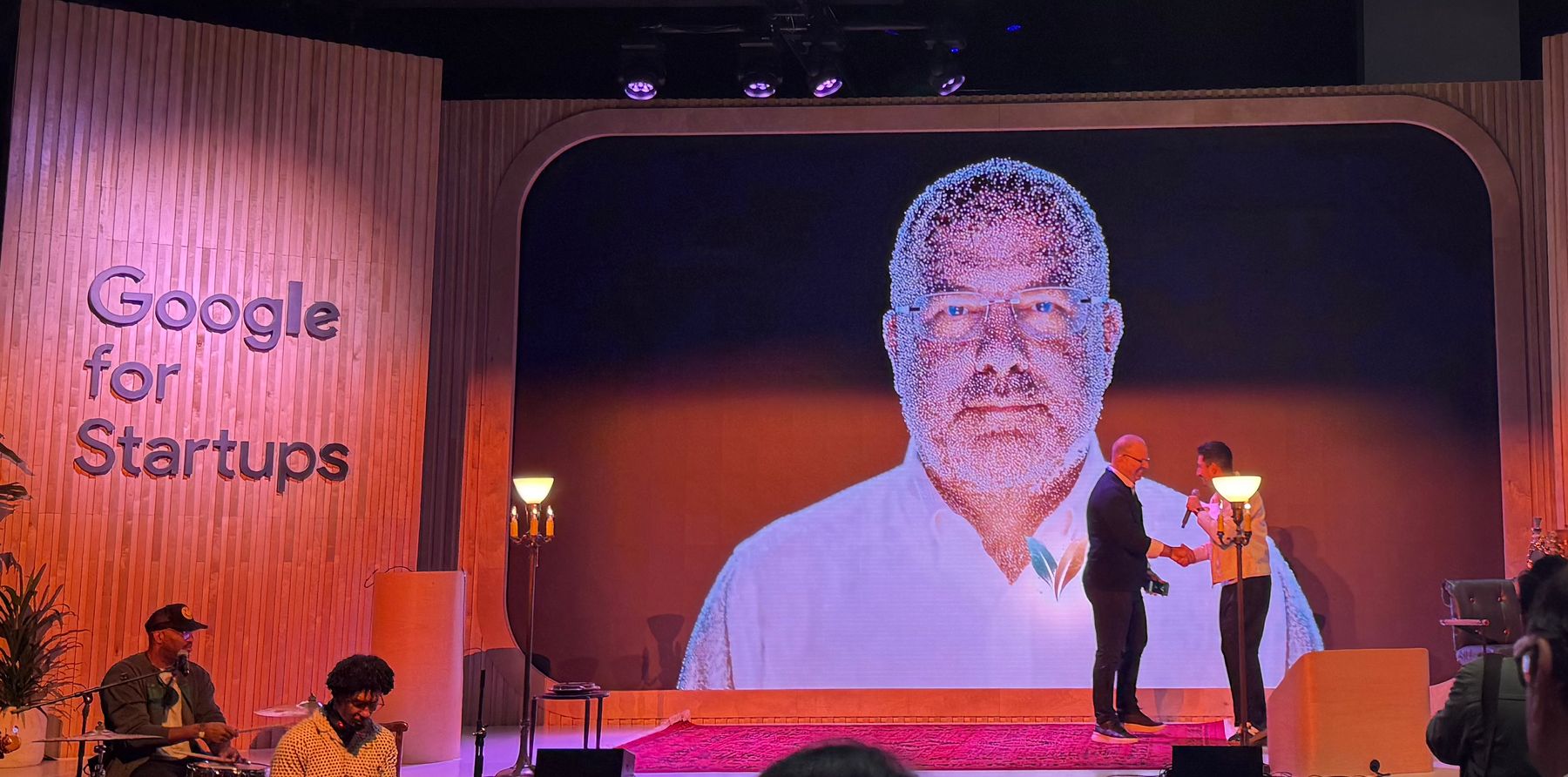
In 2026, Google for Startups ran its first global AI Agents Challenge — thousands of applications, judged blind by Google's own engineers. The Global Grand Prize went to a product built by one person working with AI, at a dining table in Istanbul, on three hundred dollars a month of infrastructure. I am not a career software engineer, and I say that openly — it is the honest heart of this story: after twenty years of architecting software for other people's hands, AI finally let the architect build alone.

1st
Worldwide · all tracks · Google AI Agents Challenge
0
Native languages, voice-first — not translations
$300
Monthly infrastructure that beat funded teams
What I built

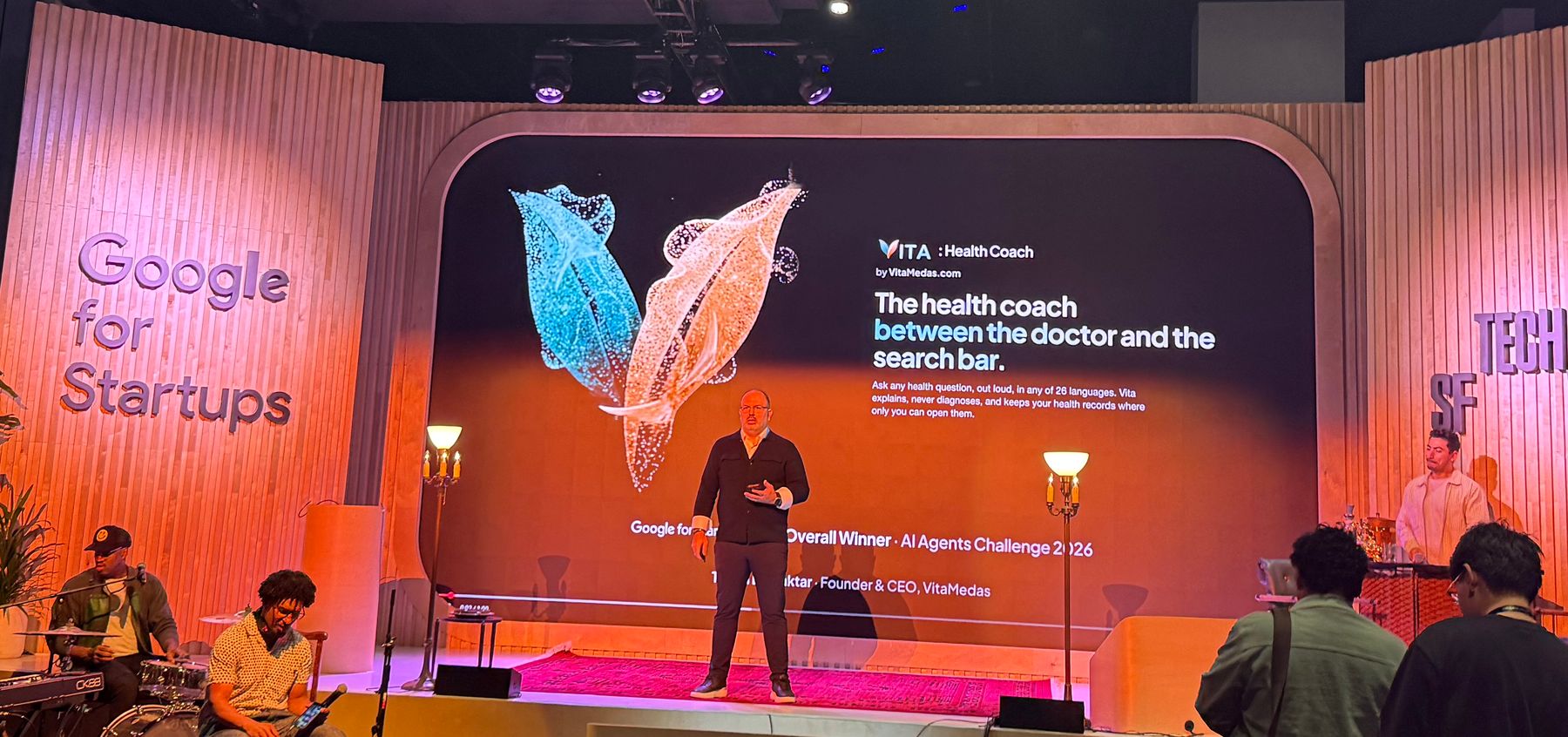
The health answer your family understands.

Ask about your health out loud, in your own language, and Vita answers in calm, plain words — knowing your context, your medications, your mother's allergies when you ask for her. Underneath: a deterministic safety pipeline that hard-stops emergencies before any AI runs, and a zero-knowledge family vault that even my own company is mathematically unable to read. Vita explains. It never diagnoses. That one line is the product, the safety architecture, and the moat.

The thesis

The wall between the architect and the engineering team fell in 2025. I walked through it — and Google measured what happened next.

i.

Explain. Never diagnose.

The line the giants cannot cross with a general assistant is the line Vita is engineered around. In health, what a product refuses to do is the product.

ii.

Privacy as architecture.

Records sealed on the family's devices with keys the company never holds. Not a policy promise — a mathematical fact. Trust you can verify beats trust you request.

iii.

Languages as distribution.

The health-AI race runs in English. The people who need it most don't. Twenty-six native languages is the flank the giants demonstrably skip — and my biography made it obvious.

The story

Forty years, compressed.

1985

Born in the United States. Computers arrived years before school did — and never let go.

1992

Istanbul, age seven. A childhood between two languages and two systems of thinking — the exact gap Vita now closes for families everywhere.

2000s

Institut Le Rosey in Switzerland, then business school in Boston. Commerce over code — my father's choice. The code never left.

2005–2024

Two decades as an operator and architect — real payrolls, real negotiations, software built for other people's hands. A builder living inside a businessman, waiting for the tools to catch up.

2025

My father was diagnosed with cancer. The hospital handed us scans and lab reports no one explained — a family, educated and resourced, sitting helpless around a table of paper. He passed at the end of that year. Vita was born in that chair.

2026

Built Vita end-to-end, alone, with AI — product, safety pipeline, cryptography, twenty-six languages. Google's engineers ranked it first in the world. VitaMedas, Inc. now carries it to every family it can reach.

“No family should ever again sit in that chair, lost, holding papers it cannot read. The silence around the medical document ends with Vita. Everything I build is engineering around that sentence.”

The door

Building something in health, AI, or both? I would love to hear from you.

[email protected]

I read every message myself, and I answer fast.